
Futures & Derivatives · Lesson 37 of 40
What Are Futures Contracts? Beginner's Guide
The idea: a contract on tomorrow
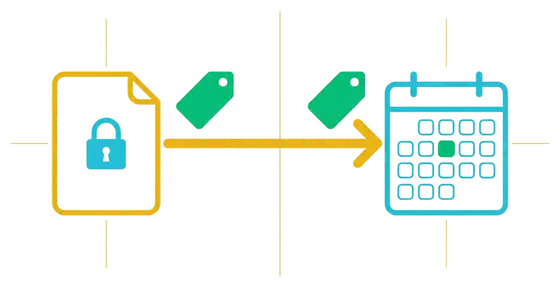
A futures contract is a standardized agreement to buy or sell an asset at a fixed price on a future date. It was invented for a practical problem: a farmer growing wheat doesn't know what the harvest will be worth, and a baker doesn't know what flour will cost. The futures contract lets them agree today on a price for delivery in three months — the farmer locks in his income, the baker locks in his costs, and both can plan their business. Modern futures work the same way, but with two big differences. First, almost nobody takes delivery anymore: around 98% of futures contracts are closed before expiry, with the profit or loss settled in cash. Second, the contracts are standardized — the exchange defines exactly how much of what, in what quality, expiring when — so thousands of traders can trade the same contract, and that standardization is what creates deep liquidity. When you trade futures, you're not buying wheat or Bitcoin — you're trading the price agreement itself.
The physical markets: gold, oil, wheat
The classic futures markets are built on real things. Gold futures: one contract is 100 troy ounces — at 2,400 per ounce, a single contract is worth 240,000 USDT. Crude oil: one contract is 1,000 barrels. Wheat, corn, cattle, coffee — the list covers everything the world consumes. The people who actually use these markets are hedgers: miners selling gold futures to lock in their revenue, airlines buying oil futures to cap their fuel costs, farmers selling wheat before the harvest. Their hedging is not speculation — it's insurance, and it's the reason these markets exist at all. For you, the retail trader, physical futures are pure price speculation: you trade the contract because you think the price of gold or oil will move, and your risk is managed with stops and size like any other trade. The physical side only matters in two moments: around expiry (when the price converges to the physical market) and if you forget to close a contract (don't — always close or roll before expiry).

The financial markets: indices and rates
The biggest futures markets today are not about wheat — they're about numbers. Index futures track the major indices: the ES tracks the S&P 500, the NQ tracks the NASDAQ-100, and one ES contract is worth $50 × the index level — at 5,000, that's 250,000 USDT of notional exposure in a single ticker. Rate futures track interest rates, currency futures track exchange rates, and together they form the backbone of global finance. For a retail trader, index futures are a gift: one ES or NQ contract gives you the entire US stock market — or the entire tech sector — without picking a single stock, with leverage, shorting and near-24-hour trading built in. The NQ in particular behaves like a "crypto-like" market: fast, volatile, driven by the same risk appetite that moves Bitcoin. Many traders who learn futures on crypto charts find the transition to index futures almost seamless — the language is identical, only the underlying story changes.
Crypto futures: the new frontier
Crypto futures take the oldest idea in finance and put it on the newest rails. A BTC futures contract is a bet on Bitcoin's price — cash-settled in USDT, with no delivery of actual coins. The two flavors: quarterly futures, which expire four times a year and are used by institutions, and perpetuals (covered in a later lesson), which never expire and dominate retail trading. Crypto futures share the futures DNA: leverage, shorting, and margin mechanics. But they add the crypto environment: 24/7 trading, global participation, and volatility that makes the ES look like a sleeping cat. The practical difference for you: crypto futures in the app behave exactly like the futures you'll meet on the CME — same order types, same margin, same liquidation logic — but with the pace and the hours of crypto. Learning the mechanics on crypto futures, in the demo, teaches you the whole futures family at once.

The contract specification
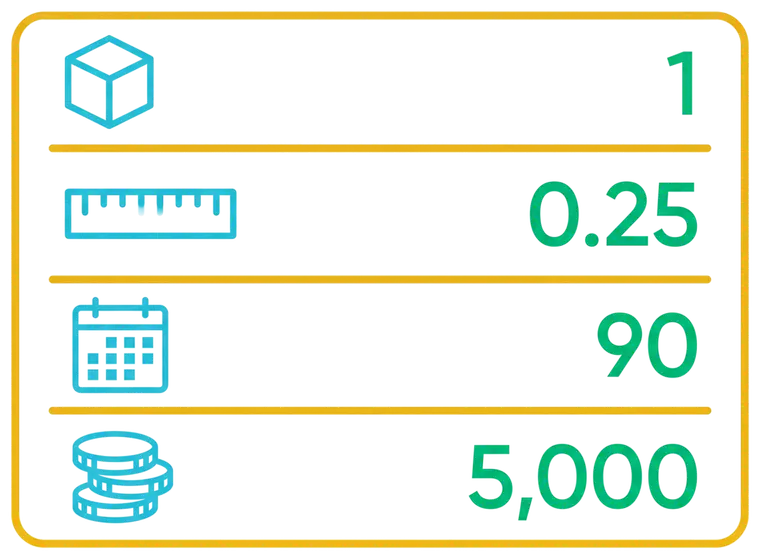
Every futures contract has a specification — the exchange's rulebook for that one product — and reading it tells you everything you need before trading. The key fields: contract size (100 oz of gold, $50 × index, 1 BTC), tick size (the smallest price increment and its value — e.g. 0.25 index points = $12.50 on the ES), expiry date (the quarterly schedule), and margin requirements (the deposit the exchange demands — more on this in the next lesson). Why do specs matter? Because they define your risk in hard numbers: a 5-point move on the ES is $250 per contract; a 100-point move on gold is $100 per contract. Beginners who skip the spec don't know what one candle of movement costs them — and that number is the most important one on the page. Before trading any new instrument, find its spec, write down the value of one tick and one point, and check what a typical daily move costs in your account's currency.
Quiz: test yourself
8 questions from the lesson. Tap an answer to check it.
-
One ES contract is worth $50 × the index. The index is at 5,000. What is the notional value of one contract?
-
What is the purpose of hedging with futures?
-
Most futures contracts end with...?
-
Why does standardization create liquidity?
-
One gold futures contract is 100 troy ounces. At 2,400 per ounce, what is one contract worth?
-
On the ES, one tick of 0.25 points is worth $12.50. What is a 5-point move worth per contract?
-
What should you always do with a futures contract before it expires?
-
Which index does the NQ contract track?
Educational content only, not financial or investment advice. Trading involves risk; all trading in Trade Dojo uses virtual money. More Futures & Derivatives lessons · All lessons