
Trading Psychology · Lesson 23 of 40
Trading Discipline and How to Keep a Journal
What the journal records
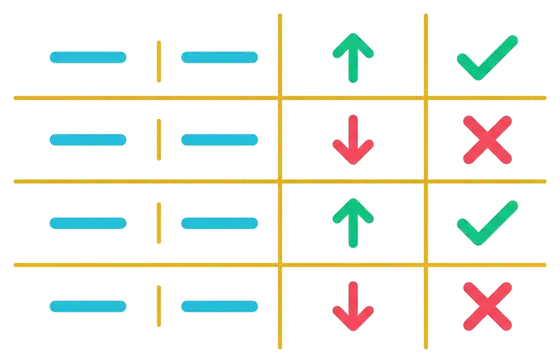
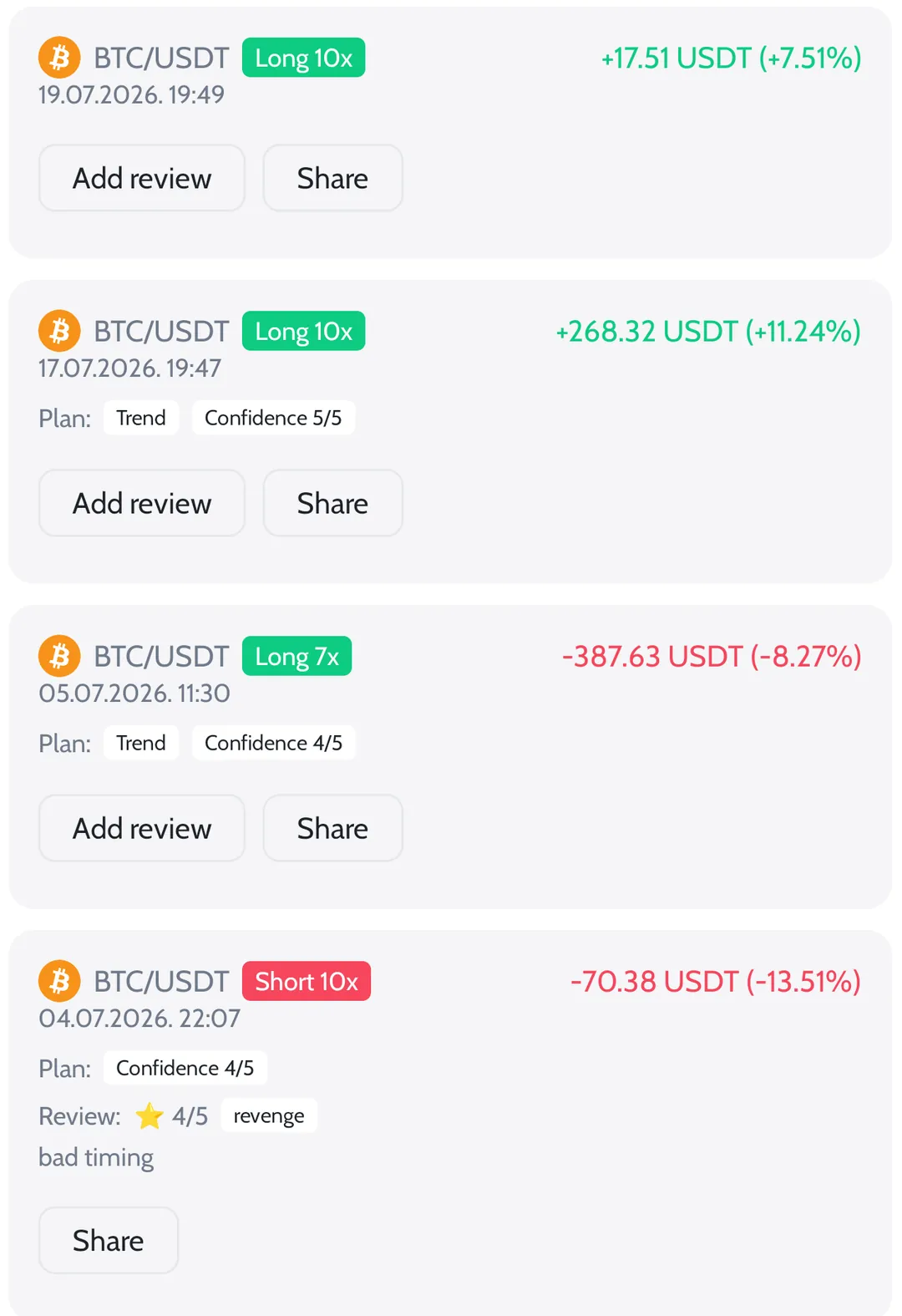
The trading journal is the most powerful tool in your kit, and it costs nothing. Record every trade, and record it twice: the plan BEFORE entry (setup, trend, level, trigger, stop, target, size, R:R) and the result AFTER exit (outcome, emotions, rule-following: yes or no). The most important column is the last one — did you follow your own rules? Not "was it profitable" — that's the market's answer, not yours. The plan-before-entry column is what separates a journal from a diary: it captures your reasoning while it's still honest, before the outcome rewrites your memory. A losing trade that followed the plan is a cost of doing business; a winning trade that broke the rules is an accident that must never become a habit. The journal doesn't judge — it measures, and measurement is the first step of every improvement. Without it, you're trading from memory, and memory is the most creative liar in the building.
What 30 trades reveal
Thirty journal entries are enough to start seeing the truth. The numbers to extract: your real win rate (not the one you feel), your average winner vs. average loser (the R:R you actually achieved, not the one you planned), your expectancy, your best and worst setups, and your rule-following percentage. Worked example: 30 trades, 18 wins with an average of +150, 12 losses with an average of −100. Win rate 60%, expectancy = (0.6 × 150) − (0.4 × 100) = +50 per trade. That's a business. But now check the second layer: 25 of the 30 trades followed the rules and netted +400; the 5 rule-breakers lost 350. The system is fine — the leaks are in execution, and now you know exactly where to plug them. The journal turns vague feelings — "I think I'm doing okay" — into specific engineering: this setup works, that session is dangerous, these emotions cost exactly this much. After 100 entries, you'll know your trading better than most professionals know theirs.
Process over outcome
The hardest mental shift in trading is judging decisions by their quality, not their results. A trade can be perfect — trend right, level right, stop right, size right — and still lose, because the market is probabilistic and any single trade can fail. A trade can be terrible — no plan, chased entry, oversized — and still win, because the market occasionally pays the reckless. Judge yourself by process: did you follow the rules? Then the trade was good, regardless of the outcome. This is not philosophy — it's the only sustainable way to learn. If you judge by outcomes, you'll reinforce the terrible trades that happened to win ("see, it worked!") and abandon the good ones that happened to lose ("this system is broken"). The market pays out over hundreds of trades, and only the process can be controlled over hundreds of trades. One trade is noise; thirty trades are signal; a hundred trades are your report card — and the report card grades the process, not the luck.
The pre-trade checklist
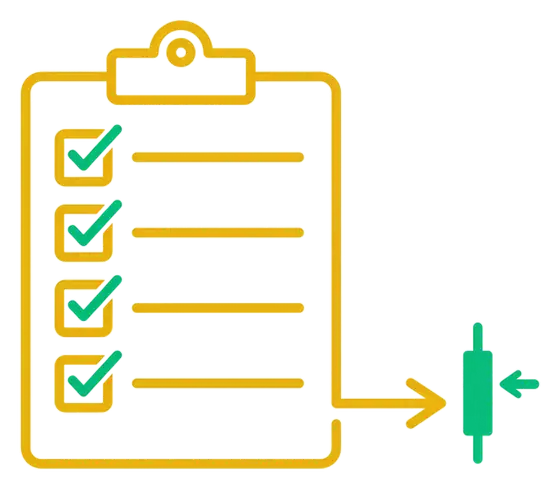
Discipline is not a personality trait — it's a checklist. Before every single trade, answer in writing: trend confirmed on the higher timeframe? Level marked on the chart? Trigger present (candle close, breakout, divergence)? Stop placed beyond the level? Target defined with R:R of at least 1:2? Size calculated by the 1% rule? No high-impact event within the trade's lifetime? If any box is empty, the trade doesn't happen — that's the entire rule. The checklist works because it moves the decision from the emotional brain to the mechanical one: by the time the order ticket opens, the trade has already been approved by a committee of rules, and the adrenaline has nothing left to veto. The checklist also protects you from the most dangerous trade of all — the one that "feels" perfect. Feelings are not on the checklist. In the app, build the habit: write the checklist answers in the journal before opening any demo position, and watch how many "amazing setups" die at the second question. That's the checklist working.
The compound effect
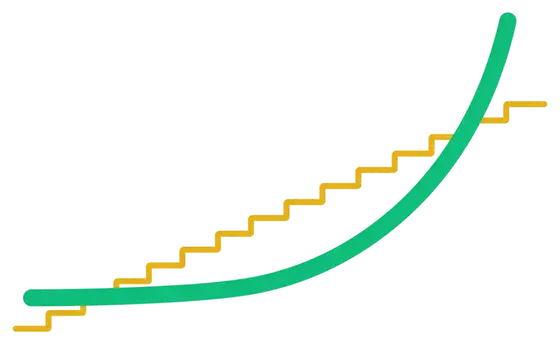
Discipline compounds like interest, but the deposits are invisible: one rule-followed trade here, one skipped bad setup there, one pause after a loss, one honest journal entry — each is nearly worthless alone, and together they are the entire difference between the trader who survives and the trader who doesn't. The math of compounding applies to behavior: a system that nets +50 per trade over 100 trades makes 5,000 — if you follow it. The same system executed at 70% rule-following, with the 30% of breaks concentrated in revenge trades and oversized entries, nets something closer to zero or less. The professionals' edge is not a secret indicator or a magic setup — it's that their execution is boringly consistent, month after month, while everyone around them is busy being clever. Start the compounding today, in the demo: one checklist, one journal entry, one paused impulse. In six months, the difference between you and the trader who skipped this lesson won't be knowledge — it'll be the account balance.
Quiz: test yourself
8 questions from the lesson. Tap an answer to check it.
-
After 30 trades: 18 wins averaging +150 and 12 losses averaging −100. What is the expectancy per trade?
-
A trade followed every rule but lost money. How should it be judged?
-
What is the most important column in the trading journal?
-
A setup fails the pre-trade checklist at the event-risk question. What do you do?
-
What should the journal record BEFORE you enter a trade?
-
A trade broke every rule but made money. How should it be treated?
-
According to the lesson, how many journal entries are enough to start seeing the truth?
-
What minimum risk:reward does the pre-trade checklist require?
Educational content only, not financial or investment advice. Trading involves risk; all trading in Trade Dojo uses virtual money. More Trading Psychology lessons · All lessons